Floral Border Wedding Invitation Card Design Assets
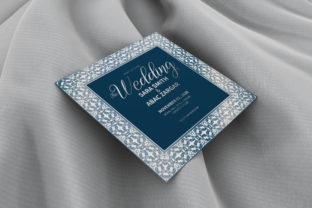
Elevating a wedding suite from simple stationery to a cohesive visual experience often begins with selecting the perfect Floral Border Wedding Invitation Card template that balances tradition with modern aesthetics. For graphic designers and creative professionals, these assets are more than just decorative frames; they are foundational elements that establish tone, guide visual hierarchy, and streamline the production workflow. When sourced correctly with accompanying EPS File JPeg File Help File documentation, these resources allow for rapid customization while maintaining high-resolution integrity across both print and digital platforms.
The Role of Botanical Elements in Visual Communication
In contemporary graphic design, floral borders serve a functional purpose beyond mere ornamentation. They act as visual anchors that frame content without competing with essential typography. A well-designed border creates negative space, directing the viewer’s eye toward critical information such as names, dates, and venue details. This is crucial in editorial design and print production, where readability must coexist with artistic expression. The organic lines of botanical illustrations soften the rigid structure of grid-based layouts, adding warmth and emotional resonance to formal announcements.
From a branding perspective, consistency is key. Using a unified floral motif across an entire wedding suite—from save-the-dates to menu cards—establishes a strong visual identity. This same principle applies to commercial projects where soft, organic aesthetics are required for packaging design or lifestyle marketing campaigns. The versatility of these assets makes them valuable for diverse creative projects requiring a touch of elegance.
Understanding File Formats and Workflow Integration
Professional execution relies heavily on technical compatibility. When downloading creative assets, understanding the inclusion of an EPS File JPeg File Help File package is essential for efficient design workflow. Each format serves a distinct purpose in the production pipeline:
- EPS Files: These vector-based files are the industry standard for print design. They allow for infinite scalability without pixelation, making them ideal for large-format signage, backdrop designs, and high-quality offset printing. Vectors also enable precise color adjustments to match specific Pantone swatches or brand palettes.
- JPEG Files: Rasterized previews or flattened versions are necessary for digital proofing, social media graphics, and web design. They ensure fast loading times and universal compatibility when sharing concepts with clients who lack professional design software.
- Help Files: Often overlooked, these documents provide critical metadata regarding font licensing, layer organization, and color profiles. They reduce friction during the handoff process and ensure the final output matches the designer's original vision.
Practical Applications Across Design Disciplines
While primarily associated with matrimonial stationery, floral border assets have broad utility in modern visual design. Marketers and UI designers frequently adapt these elements to create softer user experiences in wellness apps, beauty product packaging, or boutique e-commerce sites. In social media content creation, these borders can be repurposed as Instagram Story templates or Pinterest pins, providing a consistent aesthetic that boosts engagement through recognizable visual cues.
For editorial designers working on magazines or annual reports, subtle floral corners can break up dense text blocks and add tactile quality to digital publications. In advertising campaigns targeting luxury demographics, these elements signal sophistication and attention to detail. The key lies in adaptation; resizing and recoloring vector assets ensures they remain relevant across different mediums while preserving their intrinsic charm.
Tips for Selecting and Implementing Floral Assets
To maximize the impact of these design elements, professionals should evaluate assets based on more than just visual appeal. Consider the following factors during selection:
- Visual Hierarchy: Ensure the border density does not overwhelm the primary message. Test contrast ratios between the illustration and background text to maintain accessibility standards.
- Scalability and Detail: Verify that intricate details hold up at small sizes for business cards and large sizes for banners. True vector construction is non-negotiable for multi-format campaigns.
- Style Consistency: Match the illustration style (e.g., watercolor, line art, vintage engraving) with the chosen typography. A delicate script pairs differently with botanical line art than it does with bold, painterly florals.
- Licensing and Usage: Always review the help file for commercial usage rights, especially when incorporating assets into client work or merchandise intended for resale.
Thoughtful integration of floral borders transforms generic templates into bespoke communication tools. By prioritizing technical quality and strategic application, designers can leverage these assets to enhance storytelling, strengthen brand recognition, and deliver polished results that resonate emotionally with audiences. Whether for a wedding invitation or a luxury product launch, the right creative asset bridges the gap between functional layout and memorable art.