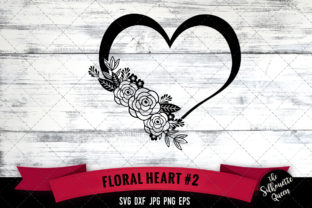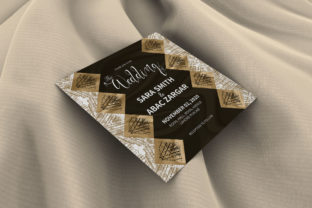
Elevating Invitation Design with a Wedding Card with Beautiful Floral Frame
The first tangible touchpoint for any couple’s big day is the invitation. It sets the tone, establishes the aesthetic, and offers guests their initial glimpse into the celebration's atmosphere. Among the myriad of design choices available today, the Wedding Card with Beautiful Floral Frame remains a timeless favorite. This specific design element bridges the gap between traditional romance and modern graphic design efficiency. When sourced as a high-quality vector asset, this frame becomes more than just a decoration; it transforms into a versatile foundation that streamlines the creative process for designers and DIY enthusiasts alike.
Selecting the right floral border involves understanding both artistic style and technical capability. A hand-drawn vector object offers a unique advantage over rasterized images. Because it is fully scalable and color-filled using advanced mesh tools, the artwork retains its organic, hand-painted feel regardless of how much it is resized or modified. This technical flexibility ensures that whether you are designing a petite RSVP card or a large-format welcome sign, the integrity of the floral illustration remains pristine.
The Technical Advantage of Vector Floral Assets
In the world of print and digital design, resolution is king. Many couples and junior designers make the mistake of downloading standard JPEG florals from the internet, only to find them pixelated when printed on heavy cardstock. The primary benefit of utilizing a dedicated EPS file for your Wedding Card with Beautiful Floral Frame lies in its mathematical construction. Unlike pixels, vectors use paths and anchor points. This means you can scale the frame to fit a billboard or shrink it for a place card without ever losing sharpness.
Furthermore, the inclusion of bucket mesh tool compatibility is a significant workflow enhancer. Traditional flat-color vectors can sometimes look sterile or overly digital. Mesh gradients allow for complex color transitions within a single shape, mimicking the subtle shading found in watercolor or gouache paintings. When you open this asset in Adobe Illustrator, CorelDRAW, or Affinity Designer, you aren't just placing a sticker; you are accessing a fully editable painting. You can adjust the hue of individual petals to match a specific bridesmaid dress color or deepen the greens to complement a forest-themed venue, all while maintaining the original artist's hand-drawn stroke quality.
Customization Without Compromise
One of the most common concerns with pre-made assets is the fear of looking generic. However, a high-quality hand-drawn object serves as a starting point rather than a final destination. The ability to modify the vector paths allows for genuine customization. Designers can separate elements of the frame, rearrange blooms to accommodate longer names, or isolate specific flowers to create matching secondary assets like table numbers or menu headers.
- Color Matching: Use the mesh tool to sample colors directly from fabric swatches or venue photography.
- Composition Adjustment: Ungroup elements to widen the frame for landscape orientations or stack them for portrait layouts.
- Style Integration: Combine the floral frame with modern serif typography for a contemporary look, or script fonts for classic elegance.
- Opacity Control: Lower the opacity of the background fill to ensure text readability remains the priority.
Practical Applications Beyond the Main Invitation
While the primary intent is obviously the invitation suite, the utility of a scalable Wedding Card with Beautiful Floral Frame extends throughout the entire wedding ecosystem. Consistency is key to professional event design, and having a master vector file ensures that every piece of stationery feels cohesive. Modern weddings often require a suite of ten to fifteen different printed items. Using the same floral motif ties these disparate elements together visually.
Consider the ceremony program. These are typically taller and narrower than invitations. A rigid raster image would require cropping that might cut off essential details. With a modifiable vector frame, you can stretch the vertical axis or reposition corner elements to frame the order of service perfectly. Similarly, thank-you cards sent after the event benefit from this continuity. Guests receive a visual callback to the invitation they received months prior, reinforcing the memory of the day through consistent branding.
Digital Adaptation and Social Media
Weddings now exist as much online as they do in person. Save-the-dates are frequently sent via email or shared on social media platforms. Vector assets are uniquely suited for this dual existence. You can export the frame as an SVG for a wedding website header, ensuring it looks crisp on retina displays and mobile screens. Alternatively, exporting as a high-resolution PNG with a transparent background allows for easy overlay onto photo collages or video thumbnails. The hand-drawn nature of the asset prevents it from looking too corporate or tech-heavy in digital spaces, retaining the warmth required for matrimonial communication.
Workflow Efficiency and File Management
Time is often the scarcest resource during wedding planning or freelance design sprints. The value proposition of this asset includes not just the art itself, but the organization of the deliverables. Receiving both EPS and JPEG files covers immediate needs and long-term editing requirements. The JPEG serves as a quick proofing tool or a fallback for clients who lack vector software, while the EPS remains the production master.
The included help file and license documentation should never be overlooked. Understanding the licensing terms is crucial for commercial designers creating work for multiple clients. Clarifying whether the asset allows for unlimited end-products or requires attribution protects both the creator and the user. Additionally, the help file often contains specific tips from the original artist regarding optimal settings for the mesh tool or recommended color profiles for print. Skipping this step can lead to hours of troubleshooting that could have been avoided by reading the provided documentation.
Integration Tips for Non-Designers
For couples attempting DIY invitations, working with vectors can seem intimidating. However, the learning curve is manageable with the right approach. Start by opening the file and simply observing the layer structure. Most hand-drawn objects are organized logically. Before making drastic changes, duplicate the artboard to preserve the original state. Experiment with the direct selection tool to nudge anchor points gently. Remember that the goal is enhancement, not total reconstruction. Sometimes, simply changing the global color swatch is enough to make the Wedding Card with Beautiful Floral Frame feel entirely bespoke.
- Open the EPS file in your preferred vector editor.
- Check the document color mode (CMYK for print, RGB for screen).
- Select the frame group and test scaling to verify quality.
- Use the eyedropper or mesh tool to apply your specific color palette.
- Add your typography, ensuring adequate padding inside the frame borders.
- Export a test print at 100% scale to check color accuracy before mass production.
Selecting the Right Style for Your Narrative
Not all floral frames communicate the same message. The specific characteristics of this hand-drawn object matter. Tight, intricate botanical illustrations suggest formality and tradition, making them ideal for black-tie evening receptions. Looser, wilder arrangements with visible brush strokes imply a bohemian or outdoor garden party. When evaluating this asset, look beyond the colors—which can be changed—and focus on the line weight and composition density.
A dense frame requires careful typography pairing; thin, delicate text might get lost against busy florals. Conversely, a minimalist frame offers ample negative space for bold, expressive lettering. Consider the paper stock as well. Textured papers like cotton rag or linen interact beautifully with hand-drawn vector styles, as the ink sits slightly differently on the surface, enhancing the organic feel of the mesh gradients. Glossy papers, while vibrant, can sometimes flatten the depth achieved by the mesh tool. Testing the digital file against physical paper samples is a step that separates amateur results from professional finishes.
Ultimately, the decision to use a specialized vector asset comes down to balancing aesthetic desires with practical constraints. A Wedding Card with Beautiful Floral Frame provides the emotional resonance of hand-picked flowers with the precision of digital engineering. It respects the designer's time through scalability and editability while honoring the couple's vision through customizable beauty. Whether used for a grand cathedral wedding or an intimate elopement announcement, this type of asset proves that efficiency and artistry are not mutually exclusive. By leveraging the full capabilities of the included files, users can create stationery that feels deeply personal and impeccably crafted, saving precious time without sacrificing the soulful details that make wedding stationery memorable.