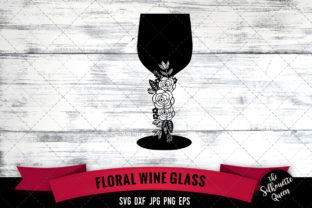
Floral Wine Glass SVG Design Assets
Elevating a creative project often comes down to selecting assets that balance aesthetic charm with technical precision, and a well-crafted Floral Wine Glass design serves as a perfect example of this intersection. Whether you are developing merchandise for a boutique winery or creating personalized gifts, integrating botanical elements into glassware imagery adds a layer of sophistication that resonates with audiences. From a professional graphic design perspective, the value lies not just in the visual appeal but in the versatility of the file formats provided, ensuring seamless integration across various branding and production workflows.
The Role of Botanical Illustration in Visual Communication
In modern visual design, organic motifs like flowers soften the rigid lines of digital interfaces and print layouts, creating an emotional connection with the viewer. A Wine Glass with Flowers is more than a decorative element; it is a strategic visual cue often associated with celebration, relaxation, and premium experiences. When utilized effectively in brand identity or packaging design, these illustrations communicate tone instantly. The key to professional execution is ensuring the artwork maintains integrity across different mediums, which requires high-resolution source files and scalable vector graphics.
For designers managing multiple deliverables, having access to a comprehensive file bundle streamlines the creative process. This specific asset package includes essential formats tailored for both vector editing and raster-based applications:
- SVG File: Ideal for Cricut Explore, Silhouette Designer Edition, Adobe Suite, Inkscape, and Corel Draw, allowing infinite scaling without quality loss.
- DXF File: Specifically formatted for Silhouette users operating the free software version, ensuring accessibility for crafters and small business owners.
- EPS File: The industry standard for Adobe Illustrator, Inkscape, and Corel Draw, preserving editable paths for logo design and large-format printing.
- PNG File: A 300dpi high-resolution image with a transparent background, perfect for web design, social media graphics, and digital mockups.
- JPG File: A universal format with a white background at 300dpi, compatible with virtually all programs for quick previews or basic print projects.
Practical Applications Across Design Disciplines
Versatility is paramount when selecting creative assets for professional use. A Cute Cut file featuring floral glassware extends far beyond simple vinyl cutting; it serves as a foundational element in broader marketing and editorial strategies. For packaging design, the EPS or SVG versions allow designers to incorporate the motif onto wine labels, gift boxes, or tissue paper patterns while maintaining crisp edges at any size. In digital marketing, the high-DPI PNG facilitates the creation of engaging social media content or website banners where transparency allows for flexible layering over brand color palettes.
Furthermore, these assets play a significant role in merchandise and event branding. Wedding planners and event designers can utilize the DXF or SVG files to produce custom signage, place cards, or favors that align perfectly with a floral theme. For UI and UX designers working on hospitality websites, such illustrative elements can enhance user engagement by breaking up text-heavy content and reinforcing the site’s visual hierarchy. The ability to edit the vector files means colors can be adjusted to match specific brand guidelines, ensuring consistency across all touchpoints.
Technical Considerations for Professional Results
When incorporating a Craft SVG or cutting file into a professional workflow, attention to technical specifications ensures the final output meets industry standards. Always verify that the resolution of raster files (PNG/JPG) is sufficient for the intended print size; 300dpi is the minimum threshold for high-quality print production. For vector work, inspect the node structure within the SVG or EPS file to ensure clean paths that will cut smoothly on plotters or render correctly in responsive web environments.
Visual hierarchy also dictates how these elements should be used. A detailed Floral Wine Glass illustration works best as a focal point or a supporting accent rather than a background texture, unless significantly modified. Pairing this imagery with complementary typography is essential; elegant serifs or modern scripts typically harmonize well with botanical curves, whereas heavy industrial fonts might create visual discord. By treating this asset as part of a cohesive design system rather than an isolated clip-art element, creators can achieve a polished, premium aesthetic that enhances both communication and user experience.
Ultimately, the effectiveness of any design resource depends on thoughtful application and technical compatibility. By leveraging the full spectrum of available file types—from editable vectors for branding to high-res rasters for digital content—designers can maximize the utility of floral glassware illustrations. This approach not only saves time in the production phase but also ensures that every visual touchpoint, from a business card to a billboard, maintains the clarity and impact necessary for successful visual communication.