The Complete Guide to Soft Watercolor Floral Wedding Suites: Design, Customization, and Print Specifications
Planning a wedding involves thousands of decisions, but few set the tone for your celebration quite like your stationery. The invitation suite is the first tangible glimpse guests receive of your big day, serving as both a logistical tool and an aesthetic introduction. Among the myriad of design styles available today, the Soft Watercolor Floral Wedding Suite has emerged as a timeless favorite. It bridges the gap between traditional romance and modern artistry, offering a versatile backdrop that suits everything from rustic barn weddings to elegant garden ceremonies.
However, selecting a design is only the beginning. For couples and designers who value creative control and professional quality, understanding the technical anatomy of a digital wedding suite is just as important as the visual appeal. This guide explores the significance of watercolor aesthetics in modern nuptials and provides a comprehensive breakdown of what constitutes a complete, print-ready PSD template package.
The Enduring Appeal of Soft Watercolor Florals
Watercolor art has a unique ability to convey emotion through texture and transparency. Unlike vector graphics or sharp digital illustrations, watercolor retains the organic imperfections of hand-painted brushstrokes. In the context of wedding stationery, this translates to warmth and authenticity. A soft floral palette suggests gentleness, growth, and natural beauty, making it an ideal metaphor for marriage.
From a practical design perspective, soft watercolor florals are exceptionally versatile. Because the colors are typically muted and the compositions airy, they provide ample negative space for typography. This ensures that vital information—dates, times, and locations—remains legible without competing against busy artwork. Whether you pair these florals with classic serif fonts for a formal look or flowing scripts for a bohemian vibe, the watercolor elements adapt seamlessly to your specific branding needs.
Understanding the Comprehensive 9-Piece Suite
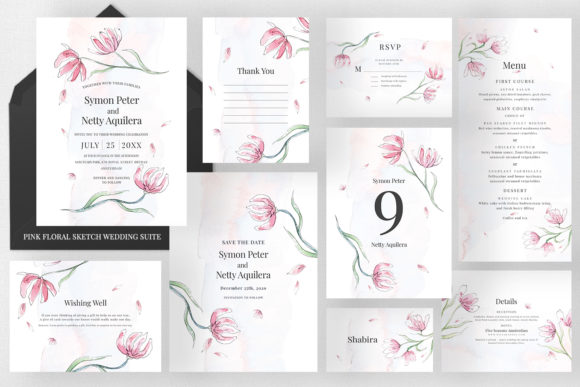
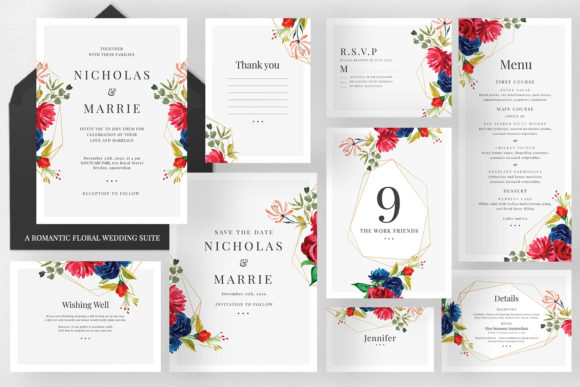
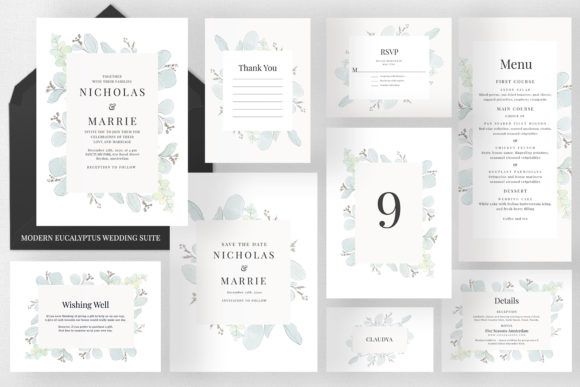
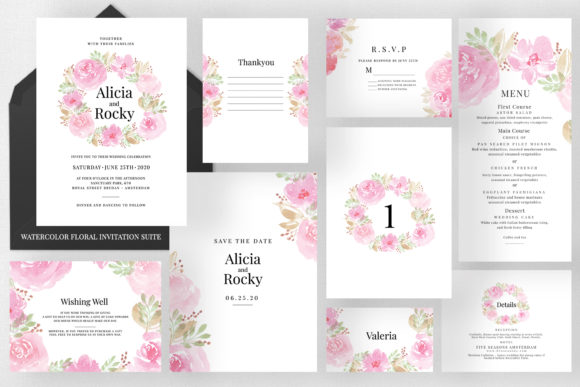
A common misconception among DIY brides and grooms is that an invitation is a single item. In reality, a cohesive guest experience requires multiple touchpoints. A professional-grade Soft Watercolor Floral Wedding Suite typically includes nine distinct PSD files, each serving a specific function in the wedding ecosystem. Understanding these components helps ensure no detail is overlooked.
Pre-Wedding Communication Essentials
- Invitation (US A7 Card Size - 5.25 x 7.25): The centerpiece of your suite. This size is standard for formal invitations, providing enough surface area for the main artwork and essential ceremony details while fitting comfortably into standard envelopes.
- Save the Date (US A2 Card Size - 5.25 x 7.25): Sent months in advance, this card mirrors the invitation’s dimensions to establish early brand consistency. It serves as a placeholder, allowing guests to mark their calendars before the formal details are finalized.
- Details Card (US A2 Card Size - 5.5 x 4.25): Modern weddings often involve complex logistics. This smaller card houses accommodation info, transportation schedules, and dress codes, keeping the main invitation uncluttered and elegant.
- RSVP Card (US A2 Card Size - 5.5 x 4.25): Functionality meets form here. Sized to match the details card, it facilitates accurate headcounts. Including a pre-designed RSVP card reduces friction for guests and streamlines your planning process.
Day-of Stationery and Guest Experience
The stationery journey does not end when guests arrive at the venue. Day-of items reinforce the theme and guide attendees through the reception.
- Wishing Well Sign (US A1 Card Size - 4.875 x 3.5): As cash funds and honeymoon registries become more common, a beautifully designed sign explains gift preferences gracefully, removing any potential awkwardness.
- Menu Card (4 x 9 inches): This tall, slender format fits perfectly on place settings or charger plates. It elevates the dining experience by presenting culinary choices as part of the overall decor rather than an afterthought.
- Table Numbers (US A7 Card Size - 5 x 7): Essential for navigation, these cards should be large enough to be seen from a distance but styled delicately to match the floral theme.
- Place Cards (3.5 x 2 inches): The final personalized touch. These small cards assign seating and can double as favors if designed with detachable elements or special messages.
- Thank You Card (US A1 Card Size - 3.5 x 4.875): Post-wedding gratitude is non-negotiable. Having matching thank-you cards ready ensures your appreciation aligns with the visual memory of your wedding day.
Technical Specifications: Why File Quality Matters
When downloading or purchasing a digital wedding suite, the file specifications dictate the final print quality. Beautiful screen previews do not always translate to crisp paper products. For a Soft Watercolor Floral Wedding Suite, specific technical standards must be met to preserve the delicate nuances of the artwork.
Resolution and Color Mode
The industry standard for professional printing is CMYK color mode at 300 DPI (dots per inch). RGB files, which are designed for screens, often appear dull or shifted when printed physically. CMYK ensures that the soft pinks, sage greens, and creamy whites of the watercolor florals reproduce accurately on paper. Furthermore, 300 DPI guarantees that the edges of the brushstrokes remain sharp and that text does not appear pixelated, even upon close inspection.
The Importance of Bleed and Safe Zones
One of the most critical yet frequently misunderstood aspects of print design is the bleed. A professional template includes a 0.25-inch bleed. This extra margin extends the artwork beyond the final trim line. During the cutting process, slight mechanical shifts can occur; without adequate bleed, these shifts result in unsightly white borders along the edge of your cards. The 0.25-inch specification provides a generous safety buffer, ensuring edge-to-edge color coverage for a polished, professional finish.
Maximizing Editability with Smart Objects
The true power of a premium PSD wedding suite lies in its editability. However, not all editable files are created equal. High-quality templates utilize Smart Objects Layers. This feature is a game-changer for users ranging from beginners to experienced designers.
Smart Objects allow you to replace placeholder images and artwork without losing resolution or altering the original layer structure. When you double-click a Smart Object thumbnail, it opens in a separate window where you can paste your own watercolor elements or photos. Upon saving, the main document updates automatically, preserving all masks, effects, and transformations. This non-destructive workflow means you can experiment freely with different floral arrangements or color grades without risking damage to the core template.
Additionally, fully editable colors and text backgrounds empower you to customize the suite to your specific wedding palette. Using Photoshop’s adjustment layers or hue/saturation tools, you can shift a blush pink peony to a dusty rose or transform green eucalyptus leaves into olive branches, ensuring the stationery matches your bridesmaids' dresses and table linens perfectly.
Software Requirements and Accessibility
While these templates offer immense flexibility, they do require specific software. Users must have Adobe Photoshop CS3 or higher. While newer versions of Photoshop offer enhanced features and faster processing, the CS3 minimum requirement ensures broad accessibility for those using older licensed versions or legacy systems.
For beginners intimidated by Photoshop, it is worth noting that working with a structured PSD template is significantly easier than designing from scratch. The layers are typically organized and labeled (e.g., "Text," "Background," "Floral Art"), acting as a guided framework. This structure reduces the learning curve, allowing users to focus on personalization rather than layout construction.
Common Misunderstandings About Digital Suites
Despite the advantages, some couples hesitate to use digital templates due to misconceptions. One prevalent myth is that digital equals low quality. As outlined above, a 300 DPI CMYK PSD file is indistinguishable from custom-commissioned art once printed. Another assumption is that templates lack uniqueness. In reality, the combination of editable text, customizable colors, and mix-and-match floral elements allows for millions of variations. Your soft watercolor suite will be uniquely yours because your content and color choices define the final product.
Furthermore, some believe that handling print specs like bleed and trim is too technical for non-designers. However, high-quality templates include visual guides and helper layers within the PSD file itself. These guides show exactly where to keep text safe and where the cut lines fall, democratizing professional design standards for everyday users.
Conclusion: Bridging Art and Logistics
A Soft Watercolor Floral Wedding Suite is more than just pretty pictures; it is a comprehensive system designed to communicate love, organization, and style. By understanding the purpose of each of the nine included items, respecting technical print specifications like bleed and CMYK color, and leveraging the power of Smart Objects, couples can create stationery that rivals bespoke design studios.
In an era where digital convenience often sacrifices tactile beauty, these suites prove that technology and tradition can coexist harmoniously. They empower you to take ownership of your wedding aesthetic, ensuring that every card, from the initial Save the Date to the final Thank You, tells a cohesive and beautiful story. Whether you are a DIY enthusiast or a professional designer seeking efficiency, mastering these tools opens the door to limitless creative expression for one of life’s most significant celebrations.