Floral Labels: Elevate Designs with Vintage Clip Art
Creating visually stunning graphics often comes down to finding the perfect focal point that ties a composition together. Floral labels serve as this essential anchor, providing a structured yet organic frame for text, photos, or product information. Unlike standard geometric shapes, these decorative elements bring a sense of softness and natural elegance to any project. When you work with high-quality digital assets, specifically those featuring vintage roses and spring motifs, you are not just adding a border; you are infusing your design with history, romance, and artistic depth.
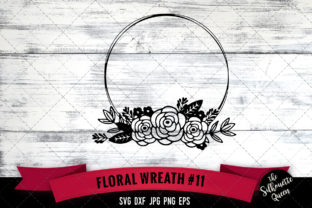
At their core, floral labels are versatile graphic containers designed to hold content while enhancing the overall aesthetic. They bridge the gap between functional typography and decorative illustration. For creators working on scrapbooking, card design, or branding, these elements solve a common layout challenge: how to make text stand out without looking sterile. A well-crafted label clip art piece offers a dedicated space for messaging while simultaneously contributing to the thematic mood of the piece. Whether you are designing a wedding invitation or packaging for handmade soap, the right floral frame communicates quality and attention to detail before the viewer even reads a single word.
The Appeal of Vintage Roses and Romantic Aesthetics
There is a timeless quality to vintage roses that modern vector art often struggles to replicate. This specific style of floral print art resonates deeply because it evokes nostalgia and warmth. When selecting assets for romantic labels or Easter projects, the texture and shading of vintage-style illustrations add a layer of sophistication that flat graphics lack. These designs often feature muted color palettes, intricate petal details, and subtle aging effects that make them feel like heirlooms rather than disposable digital files.
This aesthetic is particularly valuable for audiences seeking to create an emotional connection. In marketing and personal crafting, emotion drives engagement. A digital label adorned with soft, painterly roses suggests care, tradition, and authenticity. For small business owners in the beauty, wellness, or artisan food sectors, utilizing this style helps position products as premium and thoughtfully made. It transforms a simple price tag or ingredient list into a piece of art that customers want to keep. The romantic appeal extends beyond Valentine’s Day; it is a year-round strategy for softening corporate messaging or adding grace to personal correspondence.
Practical Applications Across Creative Projects
Versatility is the defining characteristic of high-quality label clip art. Because these assets are typically provided as transparent PNGs, they can be layered effortlessly over various backgrounds. Here are several practical ways creators utilize these 6-to-7-inch floral elements:
- Scrapbooking and Memory Keeping: Use a large floral label as a title block for album pages. The ample central space allows for journaling or date stamps, while the surrounding vintage roses complement photograph edges without obscuring memories.
- Greeting Card Design: For Easter labels or spring thank-you cards, center the floral element on the front cover. The high resolution ensures crisp printing, making the card look professionally manufactured rather than homemade.
- Product Packaging: Small business owners can place these digital labels directly onto jar lids, boxes, or tags. The 300 DPI specification is crucial here, ensuring that fine details in the floral print art remain sharp even when scaled for physical packaging.
- Digital Planning and Blogging: Bloggers and educators use these frames to highlight quotes, section headers, or promotional banners. The transparent background allows the site’s color scheme to show through, maintaining brand consistency while adding decorative flair.
- Event Stationery: Wedding planners and DIY brides utilize romantic labels for seating charts, menu cards, and favor tags. The vintage rose motif aligns perfectly with classic, boho, or garden-themed weddings.
Understanding Technical Quality for Print and Digital
Not all digital assets are created equal, and understanding technical specifications prevents frustration during the design process. When sourcing floral labels for professional or serious hobbyist use, resolution is non-negotiable. Assets described as 300 DPI (dots per inch) are industry standard for print. This density ensures that when you print a 6-inch label, the ink lays down smoothly without pixelation or jagged edges. Using low-resolution web images for print projects results in blurry, unprofessional outputs that undermine the beauty of the vintage rose artwork.
Size matters equally. A dimension range of 6 to 7 inches provides a generous canvas. This size is large enough to serve as a primary design element on standard paper sizes like A4 or Letter, yet scalable for smaller applications. Working with larger source files gives you the freedom to crop, mask, or resize downward without losing quality. Conversely, trying to upscale a tiny thumbnail image inevitably leads to degradation. Additionally, the PNG format is essential for this type of clip art. Unlike JPEGs, which have solid white backgrounds, PNGs support transparency. This allows the floral label to float naturally over textured paper backgrounds, colored cardstock, or complex digital layouts without awkward white boxes ruining the illusion.
Selecting the Right Style for Your Audience
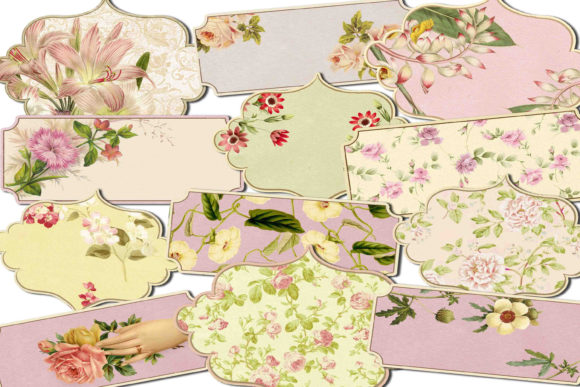
While vintage roses are universally beautiful, context dictates suitability. Before downloading or purchasing a set of 12 high-quality clip arts, consider the specific tone of your project. Floral labels vary significantly in mood. Some feature bright, saturated spring colors ideal for Easter labels and children’s educational materials. Others showcase sepia-toned, desaturated botanicals better suited for antique-style scrapbooking or heritage genealogy projects.
Think about the negative space within the label. If your primary goal is to display extensive text, choose designs with open, uncluttered centers. If the label is purely decorative or intended for short phrases like "Happy Spring" or "Thank You," more intricate floral arrangements that encroach on the center space can be visually striking. Also, consider color harmony. While you can recolor digital assets, starting with a palette that complements your existing project saves time. A cohesive collection of 12 labels often includes variations in hue and density, allowing you to maintain a consistent visual language across a multi-page album or a full product line.
Maximizing Value in Graphic Design Workflows
Incorporating floral print art into your workflow should streamline creation, not complicate it. These assets act as shortcuts to professional-looking layouts. Instead of spending hours drawing individual petals or arranging botanical elements from scratch, a pre-made digital label provides an instant foundation. This efficiency is vital for freelancers and marketers managing tight deadlines. However, efficiency does not mean sacrificing uniqueness. Skilled designers use these labels as starting points, blending them with custom typography, adjusting opacity, or combining multiple elements to create something entirely new.
For beginners, these high-quality PNGs serve as excellent learning tools. By studying how professional illustrators balance the weight of vintage roses against empty space, you develop a better eye for composition. You learn how organic shapes guide the viewer’s eye toward the center content. Over time, using these resources builds your visual library and improves your own design instincts. Whether you are creating a single Easter card or launching a boutique stationery brand, investing in premium floral labels ensures your work always starts from a place of beauty and technical excellence.