The Strategic Value of Rustic Hand Drawn Floral Patterns in Modern Digital Design
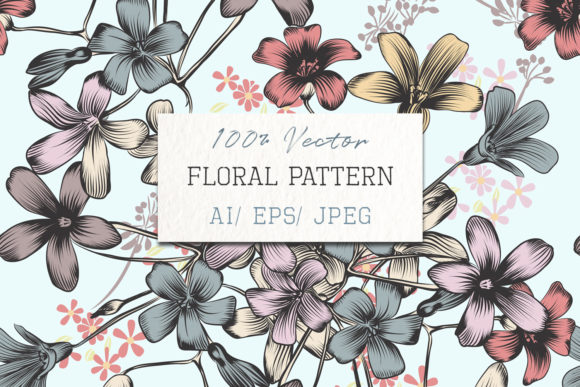
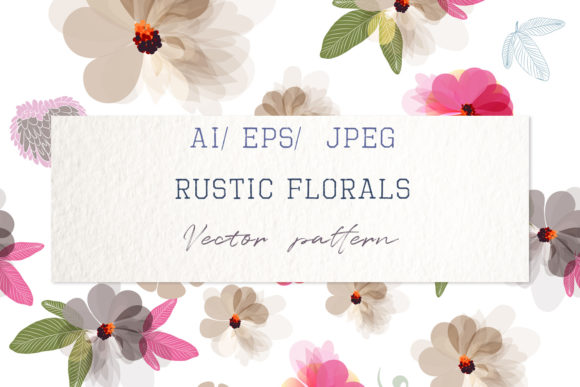
In an era dominated by artificial intelligence and algorithmic generation, the creative industry is witnessing a profound counter-movement toward authenticity and tactile imperfection. For professionals, entrepreneurs, and marketers, this shift is not merely aesthetic; it is a strategic response to consumer fatigue with sterile perfection. At the forefront of this evolution is the Rustic Hand Drawn Floral Pattern, a design asset that bridges the gap between traditional artistry and modern digital utility. This specific style, characterized by beautiful vector patterns with hand-drawn flowers in an abstract style, represents more than just decoration. It embodies a convergence of high-detail craftsmanship and scalable technology that meets the rigorous demands of contemporary branding, wedding industries, and textile manufacturing.
Defining the Aesthetic: High Detail Meets Abstract Fluidity
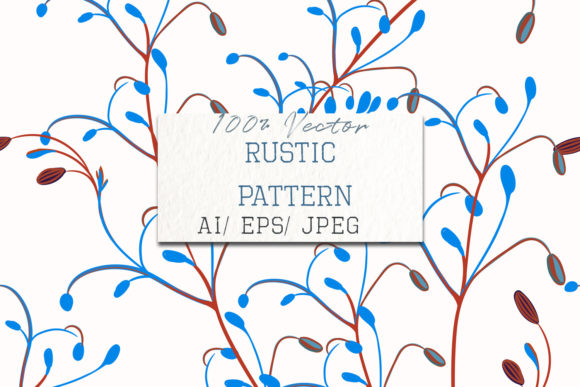
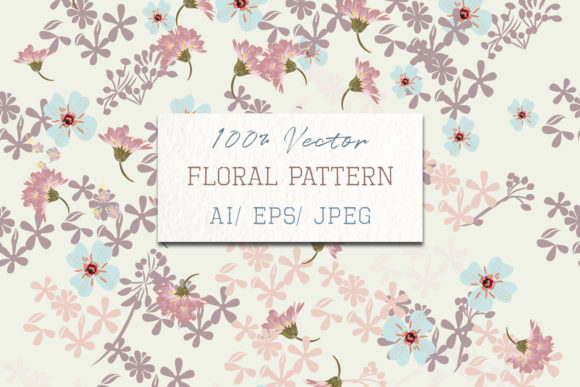
To understand the market relevance of these assets, one must first distinguish them from generic stock imagery. A true Rustic Hand Drawn Floral Pattern is defined by its careful execution. Unlike automated filters that apply a "sketch" effect to photographs, these elements are meticulously drawn, preserving the organic irregularities of human touch while maintaining the clean geometry required for professional production. The "abstract style" mentioned in high-quality collections is crucial here. It moves botanical illustration away from rigid scientific accuracy toward emotional resonance. This abstraction allows the pattern to function as a versatile background or accent without competing visually with typography or focal photography.
The "high detailed and carefully drawn" nature of these vectors ensures that the rustic charm does not translate to low resolution. In professional workflows, detail is synonymous with value. When a designer selects a pattern for a luxury wedding invitation or a boutique fabric line, the integrity of the line weight and the nuance of the shading determine the perceived quality of the final product. These patterns retain the soulful characteristics of ink on paper while existing in a mathematical environment that allows for infinite manipulation.
The Technical Imperative: Vector Scalability in Professional Workflows
For freelancers and agencies, workflow efficiency is paramount. The primary technical advantage of utilizing vector versions of hand-drawn florals is the capacity for infinite scaling while preserving beautiful hand-drawn characteristics. In a multi-platform marketing campaign, a single asset may need to serve as a small icon on a mobile app, a mid-sized element on a website header, and a massive backdrop for a trade show booth. Raster images fail in this ecosystem due to pixelation and file size bloat. Vectors solve this friction point entirely.
The provision of industry-standard formats underscores this professional utility. Receiving 1 AiCS2 file and 1 EPS10 file ensures compatibility across decades of Adobe Illustrator versions and third-party vector software like Affinity Designer or CorelDRAW. This backward and forward compatibility is essential for collaborative environments where team members may use different software generations. Furthermore, the inclusion of a JPEG preview at 5000x5000 px serves a critical project management function. It allows clients and stakeholders to approve concepts quickly without needing specialized software or large file transfers, streamlining the feedback loop before production begins.
Market Trends: Why Authenticity Drives Consumer Engagement
The rising demand for Rustic Hand Drawn Floral Patterns correlates directly with broader shifts in consumer psychology. In the lifestyle and wedding sectors, there is a documented move away from opulent, mass-produced aesthetics toward "curated imperfection." Consumers associate hand-drawn elements with sustainability, artisanal care, and personal connection. For marketers, leveraging this aesthetic is a form of visual storytelling that signals brand values without explicit messaging.
This trend extends beyond weddings into packaging and digital interfaces. As e-commerce becomes increasingly saturated, brands are using organic textures to differentiate their unboxing experiences and web presence. A seamless design in a rustic floral style can transform a standard shipping box into a premium touchpoint or turn a minimalist website into a warm, inviting space. The "100 vector art" collections often available provide the breadth necessary for comprehensive brand systems, allowing businesses to maintain visual consistency across hundreds of SKUs or marketing collateral pieces without appearing repetitive.
Practical Applications Across Industries
The versatility of these assets makes them a high-ROI investment for diverse professional sectors. Understanding specific use cases helps creators maximize the value of their libraries:
- Wedding and Event Stationery: This remains the primary sector for rustic florals. However, the application has evolved. Designers now use abstract floral vectors to create custom monograms, laser-cut signage, and dynamic seating charts. The vector format allows individual flowers to be extracted and rearranged, enabling bespoke compositions that pre-made templates cannot offer.
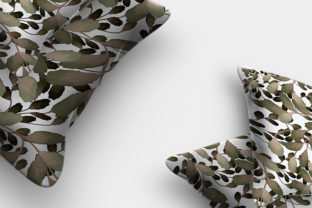
- Textile and Surface Pattern Design: For fashion and home decor entrepreneurs, seamless vector patterns are the foundation of production. Because these files are mathematically precise, they can be scaled to match specific fabric repeat requirements without losing edge definition. The hand-drawn aesthetic translates exceptionally well to linen, cotton, and recycled papers, supporting the sustainable fashion narrative.
- Digital Branding and UI/UX: Tech companies and wellness apps are increasingly adopting organic visuals to soften their digital footprint. Abstract floral vectors work effectively as subtle watermarks, loading screens, or section dividers. They add depth to flat design trends without compromising readability or accessibility standards.
- Packaging and Label Design: Small batch producers in cosmetics, food, and beverage utilize these patterns to convey natural ingredients and artisanal methods. The ability to recolor vector elements instantly allows a single pattern to span an entire product line, changing hues to denote different scents or flavors while maintaining brand recognition.
Navigating Licensing and Asset Management
As professionals integrate these resources into commercial projects, understanding the technical specifications becomes a matter of risk management and operational excellence. The distinction between AI and EPS formats is not trivial. While AI files preserve native editing capabilities like live strokes and effects within the Adobe ecosystem, EPS10 acts as a universal exchange format that flattens complex transparency issues for print vendors. Maintaining both ensures that the creative intent survives the transition from screen to physical substrate.
Furthermore, the organization of these assets impacts long-term productivity. With collections containing 100 vector art elements, establishing a robust tagging and metadata system is essential. Professionals should categorize assets not just by visual content (e.g., "rose," "leaf") but by functional attributes (e.g., "seamless," "border," "accent," "high-contrast"). This forward-looking approach to asset management reduces search time and accelerates project turnaround, turning a static library into a dynamic design engine.
The Future of Organic Design in a Digital Landscape
Looking ahead, the relevance of Rustic Hand Drawn Floral Patterns is poised to grow rather than diminish. As generative AI tools become ubiquitous, the premium on verified, human-crafted source material will likely increase. Vectors created by actual artists carry a lineage and intentionality that synthetic outputs currently lack. Moreover, as display technologies advance with higher pixel densities and variable refresh rates, the crispness of vector graphics will continue to outperform raster alternatives in digital environments.
For creators and business owners, investing in high-quality, carefully drawn vector assets is an investment in future-proofing. It acknowledges that while tools and platforms change, the human desire for connection, nature, and beauty remains constant. By combining the warmth of rustic artistry with the precision of vector technology, professionals can deliver work that resonates emotionally while meeting the exacting technical standards of modern production. The result is design that feels timeless, functions flawlessly, and ultimately drives meaningful engagement in an increasingly automated world.
Optimizing Creative Output
Ultimately, the decision to utilize a Rustic Hand Drawn Floral Pattern should be driven by strategic alignment rather than fleeting trends. When selected for its high detail, seamless adaptability, and vector scalability, it becomes more than a decorative afterthought. It becomes a foundational element of a brand's visual language. Whether you are designing for a niche wedding market or a global consumer brand, the fusion of hand-drawn warmth and digital precision offers a compelling solution to the challenge of standing out. By leveraging files that include AiCS2, EPS10, and high-resolution previews, professionals ensure they have the flexibility to innovate today while maintaining the quality standards required for tomorrow.