Floral Wine Bottle: Strategic Asset Selection for Creative Projects
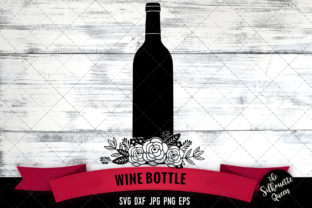
The Floral Wine Bottle design represents more than a simple decorative motif; it serves as a versatile visual asset for entrepreneurs, event planners, and content creators operating in the lifestyle, hospitality, and gifting sectors. When integrated intentionally into a broader creative strategy, this specific imagery bridges the gap between rustic charm and sophisticated elegance. However, the success of any project utilizing this aesthetic depends less on the image itself and more on the technical precision of the files used and the strategic context in which they are applied. Understanding the distinct utility of SVG, DXF, EPS, PNG, and JPG formats is the first step in transforming a generic graphic into a high-value business asset.
Aligning Visual Assets with Business Objectives
Before downloading or deploying a Wine Bottle with Flowers graphic, decision-makers must define the specific operational goal. Random application of floral aesthetics often leads to brand dilution or wasted production time. This design element is strategically most effective when aligned with clear outcomes such as product differentiation, seasonal marketing campaigns, or personalized customer experiences.
For small business owners in the wedding or event industry, the Floral Wine Bottle functions as a high-margin upsell opportunity. It transforms a standard commodity into a bespoke keepsake. In this context, the design is not merely decoration; it is a value-add that justifies premium pricing. For digital marketers and bloggers, the same asset serves as a visual hook for social media engagement or email newsletter headers, signaling themes of celebration, relaxation, or botanical beauty. The key is intentionality. Ask whether the floral wine bottle motif supports your current quarterly goals or if it is simply filling space. If the asset does not drive engagement, sales, or brand recognition, its inclusion should be reconsidered.
Technical Specifications as Operational Efficiency
Creativity without technical compatibility creates friction. A significant portion of project delays stems from using incorrect file types for specific hardware or software ecosystems. This Cute Cut file package addresses these operational bottlenecks by providing five distinct formats, each serving a unique function in the production workflow. Understanding these distinctions prevents costly rework and ensures professional output quality.
- SVG File: This is the primary vector format for modern cutting machines. It is essential for users of Cricut Explore, Silhouette Designer Edition, Adobe Suite, Inkscape, and Corel Draw. Because SVGs are scalable vectors, they maintain perfect edge quality regardless of size. Strategically, this file type allows for rapid prototyping and resizing without pixelation, making it ideal for creating everything from small jar labels to large window decals from a single source file.
- DXF File: Often overlooked, the DXF format is critical for cost management. It is specifically designed for Silhouette users operating the free Basic Edition software. By utilizing DXF files, businesses can avoid upgrading to paid software tiers solely for cutting purposes. This format ensures accessibility for hobbyists transitioning to professional work without immediate capital expenditure on premium licenses.
- EPS File: For agencies and designers working within professional ecosystems like Adobe Illustrator or Corel Draw, EPS remains the industry standard for vector exchange. Unlike SVGs which are web-optimized, EPS files often retain complex layer structures and color profiles necessary for commercial printing and large-format signage. Use this format when collaborating with external print shops or integrating the Floral Wine Bottle into comprehensive brand identity systems.
- PNG File (300dpi Transparent Background): Raster graphics have a specific strategic role. The included 300dpi PNG offers high-resolution transparency, making it indispensable for digital mockups, sublimation printing, and overlaying onto textured backgrounds. While vectors are superior for cutting, high-DPI PNGs are necessary for print-on-demand products where vector conversion is not feasible. The transparent background eliminates manual editing time, streamlining the path from download to production.
- JPG File (White Background): Universally compatible, the JPG serves as the universal reference file. It is supported by virtually every program and device. Strategically, use this for client approvals, internal mood boards, or low-stakes digital previews where file size matters more than editability. It acts as a safe fallback when specialized software is unavailable.
Risk Mitigation in Creative Production
Relying on a Wine Bottle SVG file without understanding licensing or technical limitations introduces avoidable risk. One common pitfall is assuming all vector files are created equal. Poorly digitized vectors can cause cutting machines to stutter, tear material, or produce jagged edges. Always inspect node counts and path complexity before sending a file to production. Overly complex floral details may look beautiful on screen but fail physically when cut from vinyl or cardstock. Simplifying designs for physical fabrication is a necessary trade-off for reliability.
Another strategic risk involves brand consistency. The "cute" aesthetic of this particular Craft SVG appeals to specific demographics but may alienate luxury or minimalist audiences. Before committing to this style across an entire product line, test market response. Use the PNG version for A/B testing on social media or in digital ads before investing in physical inventory. This data-driven approach validates the aesthetic choice before scaling operations.
Furthermore, intellectual property compliance is non-negotiable. Ensure that the Floral Wine Bottle asset includes appropriate commercial licensing for your intended use. Using personal-use-only files for client work or retail products exposes businesses to legal liability. Treat digital assets with the same rigor as physical inventory; verify provenance and usage rights as part of your standard operating procedure.
Strategic Application Across Industries
The versatility of the Wine Bottle with Flowers design extends across multiple verticals when applied with strategic foresight. Educators and workshop leaders can use the design as a teaching tool for layering, weeding, and material selection in crafting classes. The distinct file formats allow instructors to accommodate students with varying equipment levels, from basic Silhouette users to advanced Adobe practitioners.
For e-commerce sellers, this asset supports seasonal agility. A floral wine bottle design is inherently adaptable. Change the color palette from pastels to deep burgundies to transition seamlessly from spring weddings to autumn harvest events. This adaptability maximizes the return on investment for a single design asset. Rather than purchasing new graphics for every micro-season, leverage the vector nature of the SVG and EPS files to recolor and repurpose existing assets. This reduces design costs and maintains visual continuity across seasonal campaigns.
In the realm of corporate gifting and employee appreciation, the Floral Wine Bottle motif adds a personalized touch to standardized gifts. HR departments and office managers can use the PNG files to create custom tags or packaging inserts that elevate off-the-shelf wine bottles into thoughtful gestures. The high-resolution transparency ensures these additions look professionally printed rather than hastily assembled, reinforcing organizational attention to detail.
Optimizing Workflow and Long-Term Value
To extract maximum value from this Craft SVG collection, integrate it into a structured asset management system. Rename files descriptively upon download; generic names like "design.svg" become unmanageable at scale. Implement a naming convention that includes the design name, version, and date. Store master vector files separately from production-ready exports to preserve original integrity.
Consider the long-term scalability of the Floral Wine Bottle concept. As trends evolve, the ability to modify the base design becomes crucial. Maintaining access to the editable SVG and EPS files ensures the asset remains relevant. If you only retain flattened PNG or JPG versions, you lock yourself into a static representation that cannot adapt to future branding shifts. Always archive the source vectors, even if current projects only require raster outputs.
Finally, measure the performance of assets. Track which designs generate the highest engagement, sales, or client satisfaction. If the Wine Bottle with Flowers consistently outperforms other motifs, analyze why. Is it the color scheme, the composition, or the emotional resonance? Use these insights to inform future asset acquisition and creation. Strategic creativity is iterative; each project provides data that refines future decision-making.
Ultimately, the Floral Wine Bottle and its associated file formats are tools. Their value is determined entirely by the clarity of your objectives and the precision of your execution. By matching the correct file type to the specific task, validating aesthetic choices against business goals, and maintaining rigorous operational standards, creators and entrepreneurs can transform simple digital downloads into sustainable competitive advantages. Approach every asset with purpose, and let technical proficiency serve your strategic vision rather than constrain it.