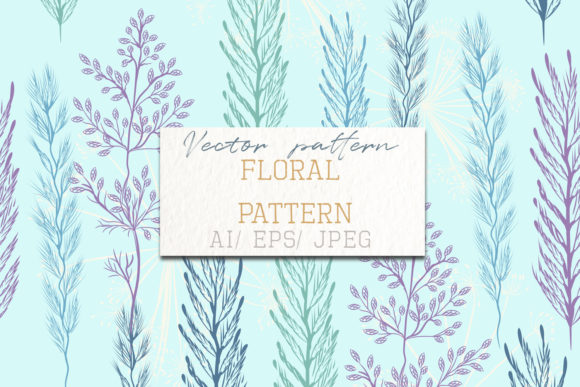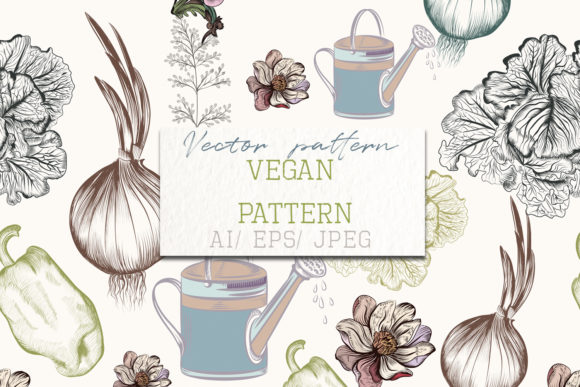
Floral Food Pattern Vector Vintage Style: Strategic Asset Management for Creative Projects
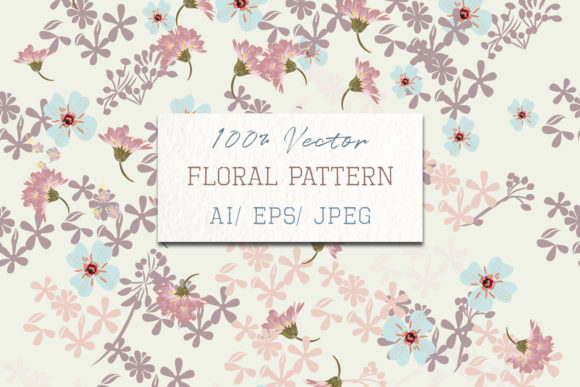
In the competitive landscape of visual design and product development, the selection of foundational assets dictates both workflow efficiency and final output quality. The Floral Food Pattern Vector Vintage Style represents more than a mere aesthetic choice; it is a functional resource that bridges the gap between nostalgic artistry and modern technical requirements. For entrepreneurs, marketers, and designers, understanding the strategic utility of this specific asset class—particularly when bundled as a comprehensive collection like the 100 vector art set with vegetables—is essential for making informed procurement and implementation decisions. This asset type offers a unique intersection of hand-drawn character and infinite scalability, solving common production bottlenecks while maintaining high brand standards.
The Technical Advantage of Vector Formats in Vintage Design
The primary strategic value of acquiring a Floral Food Pattern Vector Vintage Style lies in the format itself. Unlike raster images, which degrade when resized, vector graphics are mathematically defined. This distinction is critical for professionals who must adapt a single visual identity across vastly different touchpoints. A pattern intended for a small wedding invitation card must retain the same fidelity when scaled up for venue wallpaper or fabric printing. Vectors allow for this infinite scaling without pixelation, preserving the delicate, hand-drawn characteristics that define the vintage aesthetic.
When evaluating assets, prioritize those delivered in industry-standard formats. A robust package should include:
- 1 AiCS2 File: Ensures backward compatibility with older versions of Adobe Illustrator while remaining editable in newer releases. This is vital for teams with mixed software environments or legacy file archives.
- 1 EPS10 File: Provides universal compatibility across various vector editing platforms beyond the Adobe ecosystem, facilitating collaboration with external vendors or printers.
- 1 JPEG Preview (5000x5000 px): Offers a high-resolution reference for client presentations, mood boards, or quick digital mockups where editing capabilities are not required.
This multi-format delivery mitigates operational risk. It ensures that the asset remains usable regardless of future software updates or changes in production partners. For decision-makers, this longevity translates to a higher return on investment compared to single-use raster alternatives.
Strategic Applications Across Business Verticals
The versatility of a seamless Floral Food Pattern Vector Vintage Style extends far beyond decorative filler. When integrated intentionally, these patterns support specific business objectives across multiple sectors.
Wedding and Event Planning
In the event industry, cohesion drives perceived value. A seamless vector pattern allows planners to create a unified visual language across stationery, signage, table linens, and digital displays. Because the design includes both floral and vegetable elements, it suits diverse themes ranging from rustic farm-to-table receptions to elegant botanical garden ceremonies. The ability to edit vector colors means a single asset pack can be customized to match specific Pantone swatches for different clients, reducing the need to purchase new licenses for every project.
Product Packaging and Retail Branding
For small business owners and CPG brands, packaging is a primary communication channel. Vintage food patterns evoke feelings of authenticity, craftsmanship, and organic quality. These associations are strategically valuable for artisanal food brands, organic skincare lines, or sustainable home goods. Using a vector-based Floral Food Pattern Vector Vintage Style allows packaging designers to wrap patterns around boxes, bottles, and bags of any dimension without distortion. The inclusion of vegetable motifs specifically signals "freshness" and "natural ingredients," reinforcing product positioning at the point of sale.
Textile and Surface Design
Fabric manufacturers and print-on-demand entrepreneurs rely heavily on seamless repeats. A true seamless design eliminates visible join lines, which is non-negotiable for professional textile production. The 100 vector art collection provides sufficient variety to create coordinated collections rather than isolated prints. This depth enables creators to offer product lines with matching but distinct patterns, increasing average order value through bundling opportunities.
Planning and Workflow Integration
Acquiring the asset is only the first step; integrating it efficiently requires planning. Professionals should approach the Floral Food Pattern Vector Vintage Style as a modular system rather than a static image.
- Audit Current Needs: Before deployment, map out all intended touchpoints. Will this pattern be used for web backgrounds, large-format print, or merchandise? Confirming scale requirements upfront prevents rework.
- Establish Color Protocols: Vintage aesthetics often rely on specific color grading. Define your brand’s acceptable color variations within the vector file before beginning production. This ensures consistency even when different team members access the file.
- Test Output Early: Always run physical proofs for print projects. Screen rendering of vintage textures can differ significantly from ink deposition on paper or fabric. The 5000x5000 px JPEG preview serves as an initial check, but vector test prints validate the final result.
- Organize Asset Libraries: With 100 individual vector arts, organization is key. Tag files by motif (floral vs. vegetable), density, or color palette to reduce search time during active projects. Efficient asset management directly correlates to faster turnaround times.
Risk Mitigation and Contextual Awareness
While visually appealing, vintage patterns carry inherent risks if applied without strategic context. Overuse or misapplication can dilute brand messaging or create accessibility issues.
Visual Hierarchy and Legibility: Detailed vintage patterns can compete with typography. When using a Floral Food Pattern Vector Vintage Style as a background, ensure sufficient contrast with foreground text. Utilize the vector nature of the file to adjust opacity or simplify elements in text-heavy areas. Never sacrifice readability for decoration; if customers cannot read your menu or invitation, the design has failed its primary function.
Brand Alignment: Vintage implies tradition and history. This aesthetic may conflict with brands positioning themselves as futuristic, tech-forward, or minimalist. Decision-makers must evaluate whether the emotional resonance of vintage florals and vegetables aligns with their target audience’s expectations. A mismatch here can confuse consumers and weaken brand equity.
Licensing and Usage Rights: Always verify the specific license terms associated with the vector pack. While vectors are editable, some licenses restrict resale of the pattern as-is or limit the number of end products. Understanding these boundaries protects your business from legal exposure and ensures ethical usage.
Evaluating Quality and Long-Term Value
Not all vector packs are created equal. When assessing a Floral Food Pattern Vector Vintage Style collection, look beyond the thumbnail previews. Examine the node structure in sample files if possible; clean, optimized paths indicate professional craftsmanship and easier editing. Bloated files with excessive anchor points can slow down rendering and complicate modifications.
Consider the diversity within the "100 vector art" claim. A truly valuable collection offers genuine variation in composition, scale, and subject matter rather than minor recolors of the same three flowers. The inclusion of vegetables alongside florals significantly expands the collection’s utility, moving it from purely ornamental to thematically rich. This breadth supports long-term creative needs, allowing the asset to remain relevant across seasonal campaigns and evolving brand directions.
Ultimately, the decision to invest in premium vector assets should be driven by operational efficiency and brand consistency. A well-chosen Floral Food Pattern Vector Vintage Style serves as a scalable foundation for creative work, reducing production friction while elevating visual quality. By approaching this asset with strategic intent—considering technical specifications, application contexts, and potential risks—professionals can transform a decorative element into a reliable component of their broader business infrastructure. The goal is not merely to make things look beautiful, but to build a sustainable, adaptable visual system that supports growth and enhances customer experience over time.