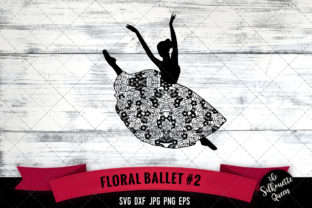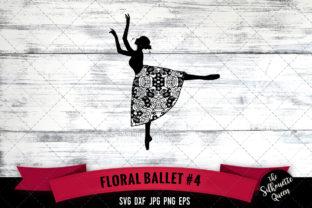
Floral Ballet: A Creative Workflow Essential for Designers and Makers
Floral Ballet is more than just a design element—it's a versatile digital asset that fits seamlessly into a variety of creative and professional workflows. Whether you're a graphic designer, small business owner, educator, or hobbyist, integrating Floral Ballet into your projects can enhance visual appeal while streamlining your design process. This package includes multiple file formats—SVG, DXF, EPS, PNG, and JPG—making it compatible with a wide range of tools and platforms. Understanding how to use these files effectively can help you save time, maintain consistency, and elevate the quality of your output.
Understanding the Components of Floral Ballet
The Floral Ballet package is designed with flexibility in mind. Each file format serves a specific purpose and offers unique advantages depending on your software preferences and project requirements.
- SVG (Scalable Vector Graphics): Ideal for vector-based editing in programs like Cricut Design Space, Silhouette Studio Designer Edition, Adobe Illustrator, Inkscape, and CorelDRAW. SVG files maintain clarity at any size, making them perfect for both digital and print use.
- DXF (Drawing Exchange Format): Commonly used for Silhouette cutting machines, especially with the free version of Silhouette Studio. DXF files are great for precise cutting tasks and can also be used in CAD software.
- EPS (Encapsulated PostScript): A vector format compatible with Adobe Illustrator, Inkscape, and CorelDRAW. EPS files are widely used in professional design environments and are suitable for high-quality printing.
- PNG (Portable Network Graphics): High-resolution images with transparent backgrounds at 300dpi. These are ideal for digital use, such as website graphics, social media posts, and layered design compositions.
- JPG (Joint Photographic Experts Group): A universally supported format with a white background, suitable for general-purpose use where transparency isn't required, such as product mockups or printed materials.
How to Use Floral Ballet in Your Workflow
Floral Ballet can be integrated into multiple stages of your creative or business process. Whether you're designing a logo, creating marketing materials, crafting physical products, or developing digital content, this resource can enhance both efficiency and aesthetics.
Before starting a project, consider how Floral Ballet can serve as a foundational design element or a finishing touch. For example, if you're creating a seasonal brochure for a boutique, you might use the SVG file to incorporate intricate floral borders directly into your layout. If you're preparing social media visuals, the PNG file with a transparent background allows you to layer the design over other graphics without distracting white edges.
During the execution phase, Floral Ballet supports both digital and physical creation. If you're using a cutting machine like Cricut or Silhouette, the SVG or DXF file can be imported directly into your design software to create custom vinyl decals, greeting cards, or fabric prints. The EPS file is particularly useful for designers who need to edit vector paths in Adobe Illustrator for print-ready files.
After project completion, Floral Ballet can be archived as part of your design library for future use. Organizing your files by format and purpose ensures that you can quickly locate and reuse elements in new contexts, maintaining brand consistency or design coherence across multiple projects.
Compatibility and Practical Implementation Tips
One of the key strengths of Floral Ballet is its broad compatibility across design and cutting platforms. However, to make the most of this resource, it's important to understand how each file type interacts with your preferred tools.
- For Cricut Users: Import the SVG file into Cricut Design Space for easy cutting. Adjust the size as needed without compromising quality thanks to the vector format.
- For Silhouette Users: Use the DXF file if you're working with the free version of Silhouette Studio. For more advanced editing, the SVG or EPS file will give you greater flexibility.
- For Adobe Users: The EPS and SVG files are both compatible with Adobe Illustrator. Use these for vector editing, tracing, or incorporating into multi-layered designs.
- For Digital Content Creators: The PNG file is ideal for overlaying on photos, presentations, or web graphics. Its transparent background allows for seamless integration into any digital layout.
- For Print and Packaging: The JPG file is useful for mockups or print-ready designs where a solid background is required, such as packaging labels or product inserts.
Maximizing Efficiency and Consistency
When working with multiple file types and platforms, maintaining efficiency and consistency is crucial. Here are a few strategies to help you integrate Floral Ballet smoothly into your workflow:
- Organize Your Files: Create a dedicated folder for each project or asset type. Label files clearly (e.g., “FloralBallet_SVG,” “FloralBallet_PNG”) to avoid confusion.
- Create a Design Library: Build a reusable asset library that includes SVG, PNG, and EPS files. This allows for quick access and reuse across projects, especially for branding or recurring design elements.
- Use Templates: If you frequently design for specific platforms (e.g., Instagram posts, business cards), create templates that include pre-sized Floral Ballet elements to speed up production.
- Test Before Finalizing: Always preview how each file type appears in your final output. For example, check how the PNG looks on a dark background or how the SVG renders in print.
- Batch Process When Possible: If you're using Floral Ballet in multiple designs, consider batch editing in Adobe Photoshop or Illustrator to apply changes across several files at once.
Long-Term Value and Reusability
Floral Ballet isn't just a one-time asset—it's a long-term investment in your creative toolkit. Because it's available in scalable and editable formats, you can adapt it to new projects without losing quality or clarity. This reusability makes it especially valuable for entrepreneurs and small business owners who need to maintain a cohesive visual identity across different media.
For example, a boutique owner might use the SVG file to create window decals, the PNG for website headers, and the JPG for printed thank-you cards. Each format plays a specific role in building a unified brand presence. Similarly, educators creating digital or physical learning materials can use Floral Ballet to enhance visual engagement without compromising on quality or resolution.
Conclusion
Incorporating Floral Ballet into your creative or professional workflow enhances both the aesthetic and functional aspects of your work. By understanding the purpose and potential of each file type—SVG for cutting and vector editing, DXF for Silhouette compatibility, EPS for advanced design, PNG for digital transparency, and JPG for universal use—you can make informed decisions that improve efficiency and output quality.
Whether you're preparing for a new project, executing a design, or organizing your digital assets for future use, Floral Ballet offers the flexibility and precision needed to support a wide range of creative applications. With thoughtful integration, it becomes more than just an image—it becomes a consistent, reliable element of your design process.